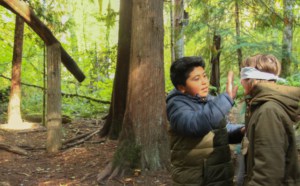
Students! Parents! Teachers! During this time of school closures and stay-at-home guidelines, North Cascades Institute is sharing lessons and activities from our talented Mountain School instructors. We …
Read More of Mountain School @ Home Lesson 17: Inner & Outer Landscapes
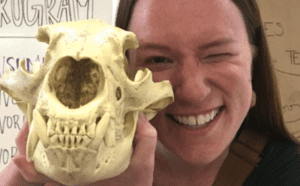
We really miss having Mountain School students at the Environmental Learning Center this Spring! Until we can welcome them back, Senior Program Instructor Alexa Brandt is sharing …
Read More of Mystery Skulls with Alexa – Introduction
¡2020 marca el 30 aniversario de la Escuela de Montaña! En los últimos 29 años, más de 30,000 niños del noroeste de Washington han viajado por la …
Read More of ¡La Escuela de Montaña cumple 30 años!: Actualización de plan de estudios para mejor servir a los estudiantes y maestros
La Escuela de Montaña es el programa del instituto de 30 años. Estudiantes (mayormente estudiantes de quinto grado) viajan profundamente a las cascadas del norte para pasar …
Read More of Volver a imaginar el futuro de la Escuela de Montaña: Abrazar la educación centrada en los estudiantes
Students! Parents! Teachers! During this time of school closures and stay-at-home guidelines, North Cascades Institute is sharing lessons and activities from our talented Mountain School instructors. We hope …
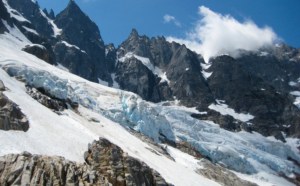
Read More of Mountain School @ Home Lesson 16: Glaciers!
Students! Parents! Teachers! During this time of school closures and stay-at-home guidelines, North Cascades Institute is sharing lessons and activities from our talented Mountain School instructors. We hope …
Read More of Mountain School @ Home Lesson 15: Watersheds in the North Cascades and at Home
Students! Parents! Teachers! During this time of school closures and stay-at-home guidelines, North Cascades Institute is sharing lessons and activities from our talented Mountain School instructors. We hope …
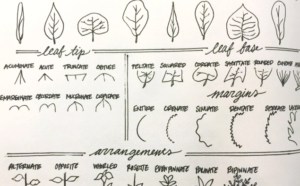
Read More of Mountain School @ Home Lesson 14: Enjoying Field Guides
Students! Parents! Teachers! During this time of school closures and stay-at-home guidelines, North Cascades Institute is sharing lessons and activities from our talented Mountain School instructors. We hope …
Read More of Mountain School @ Home Lesson 13: A Love Letter to the Douglas Fir
Students! Parents! Teachers! During this time of school closures and stay-at-home guidelines, North Cascades Institute is sharing lessons and activities from our talented Mountain School instructors. We …
Read More of Mountain School @ Home Lesson 12: I Spy Nature
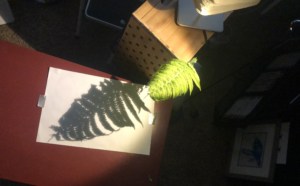
Students! Parents! Teachers! During this time of school closures and stay-at-home guidelines, North Cascades Institute is sharing lessons and activities from our talented Mountain School instructors. We hope …
Read More of Mountain School @ Home Lesson 11: Shadow Painting & Poetry